Wildlife Photography Angles: Why Low Beats High
There's one major difference between a tourist photographer and a serious wildlife photographer.
It's the angle.
It has a significant impact on how an image looks, and we'll explore what kind of potential an image can bring from just a shift in the angles.
Today, I'll try to change your perspective on...well perspective.
High Angle:
This is probably the worst angle you can take a wildlife photo in.
It's above eye level, when you see the back of an animal facing you.
These are shots you take on safari when you're shooting from the roof of the vehicle. Or when you're above the animal.
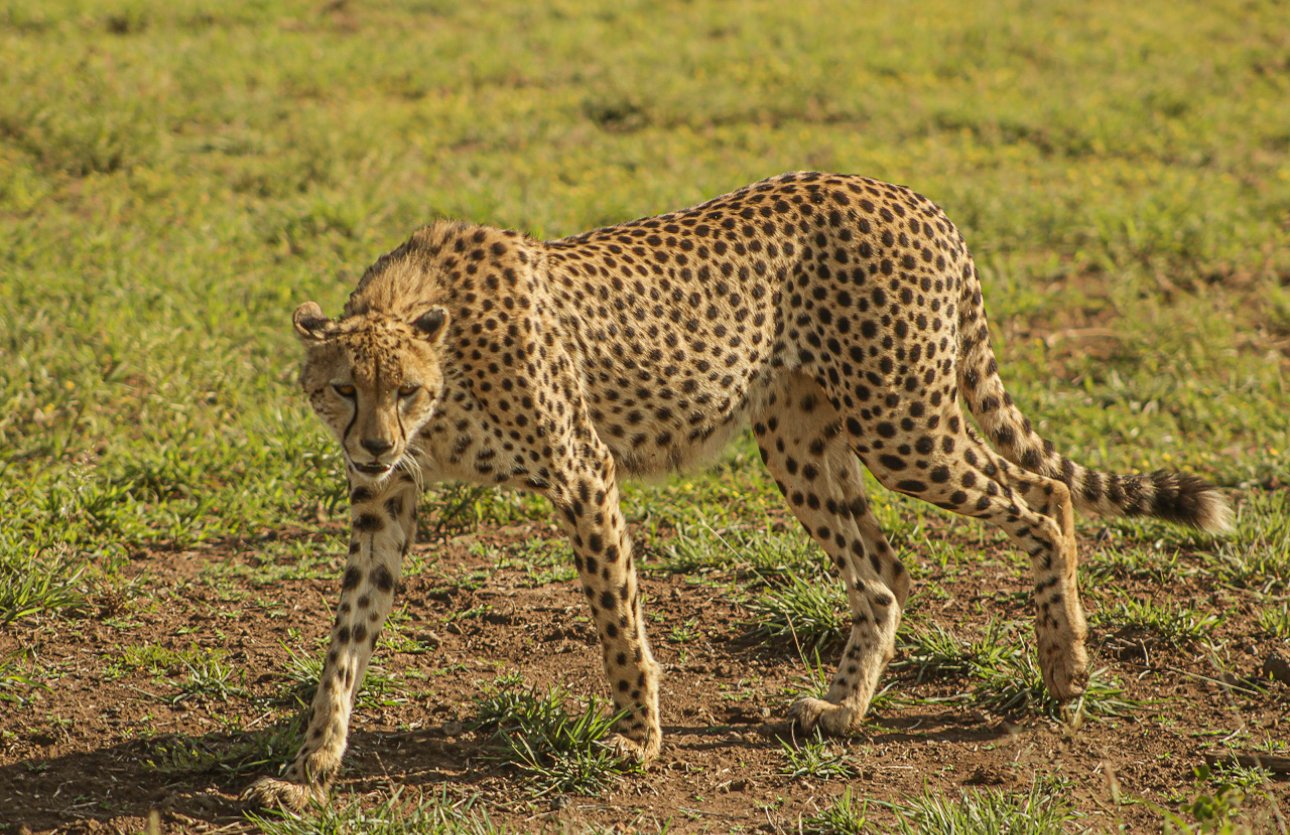
There's absolutely nothing new here. The internet is already full of images from these angles. These are lazy shots.
You take the image as if anyone else would view it.
The only time I'd ask my guests to shoot from the vehicle's roof is when the grass is too long to spot the subject, or when we want a 360 view of the scene. Maybe a cheetah hunting or something.
Or maybe shooting eye level with a giraffe ;)
The thing is, you're barely creating any emotional impact when you're looking down on an animal.
Also, high angles create less background separation - therefore your images do look a bit noisier at the back.
Although when shot from extremely high, like drone shots, it is quite nice because that's a significant shift in perspective.
Eye Level:
Okay, now we're getting lower.
You're shooting from the same level as the animal's eye. There's more visual impact here.
You're head to head with it. There's equality.
You're stepping into their world.
You start seeing what the animal sees, or at least at that level.
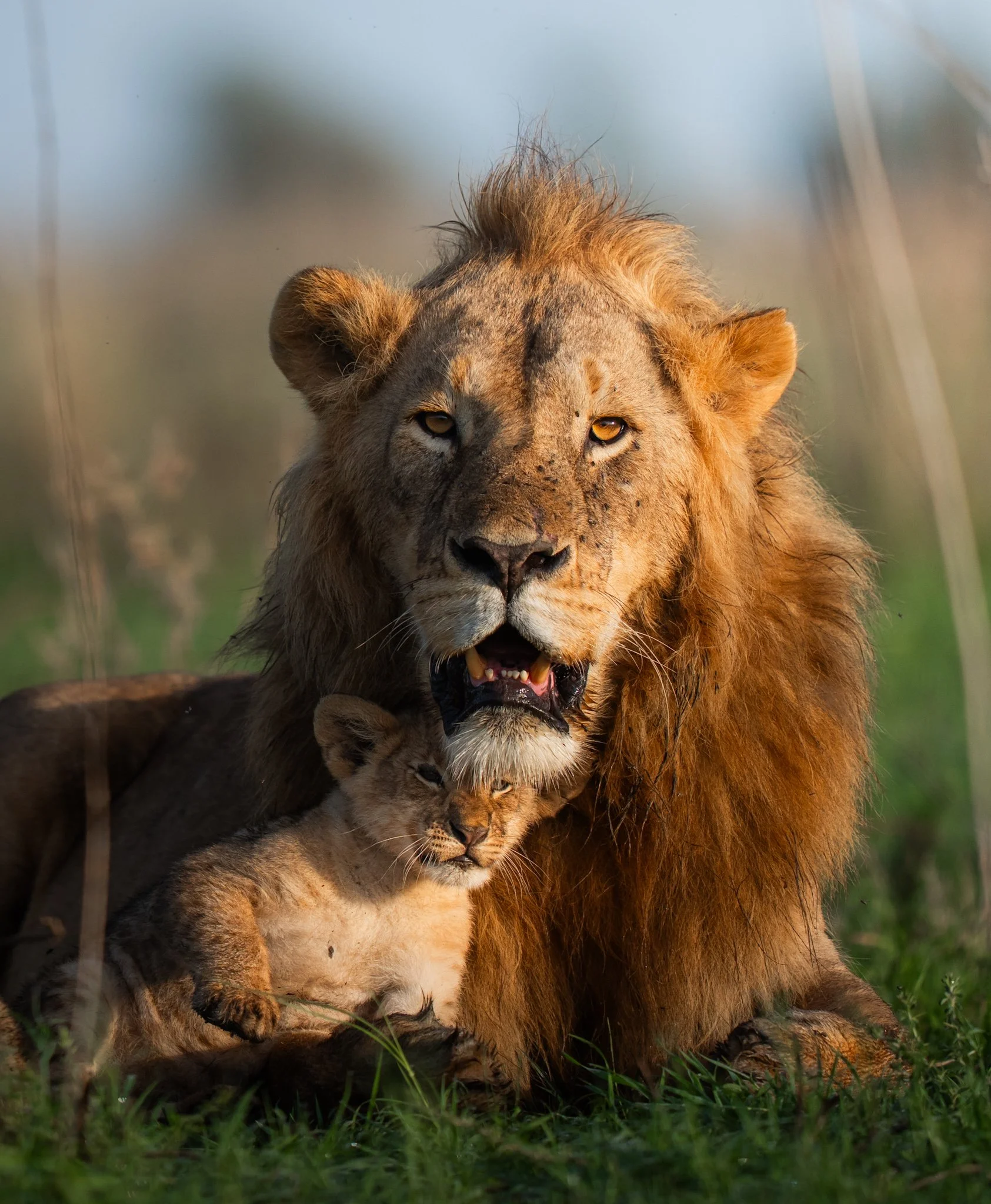
To get eye level shots, you now start looking for other variables; grass length, your angle, the animal's height.
Okay, now its not very lazy shooting!
Background blurs start to look clean here. There is clear separation from the subject.
Eye contact also becomes very powerful here. It can really strike a viewer down the spine.
Body language is captured well, you start noticing the curves of the body. Rather than flattened out when shooting from above.
Achievable with sitting on the ground, or having a vehicle with large windows so that you can capture at the height of your tyre.
Low Angle:
You're finally grounded!
These are shots that you take from near the ground. Like looking up to the animal.
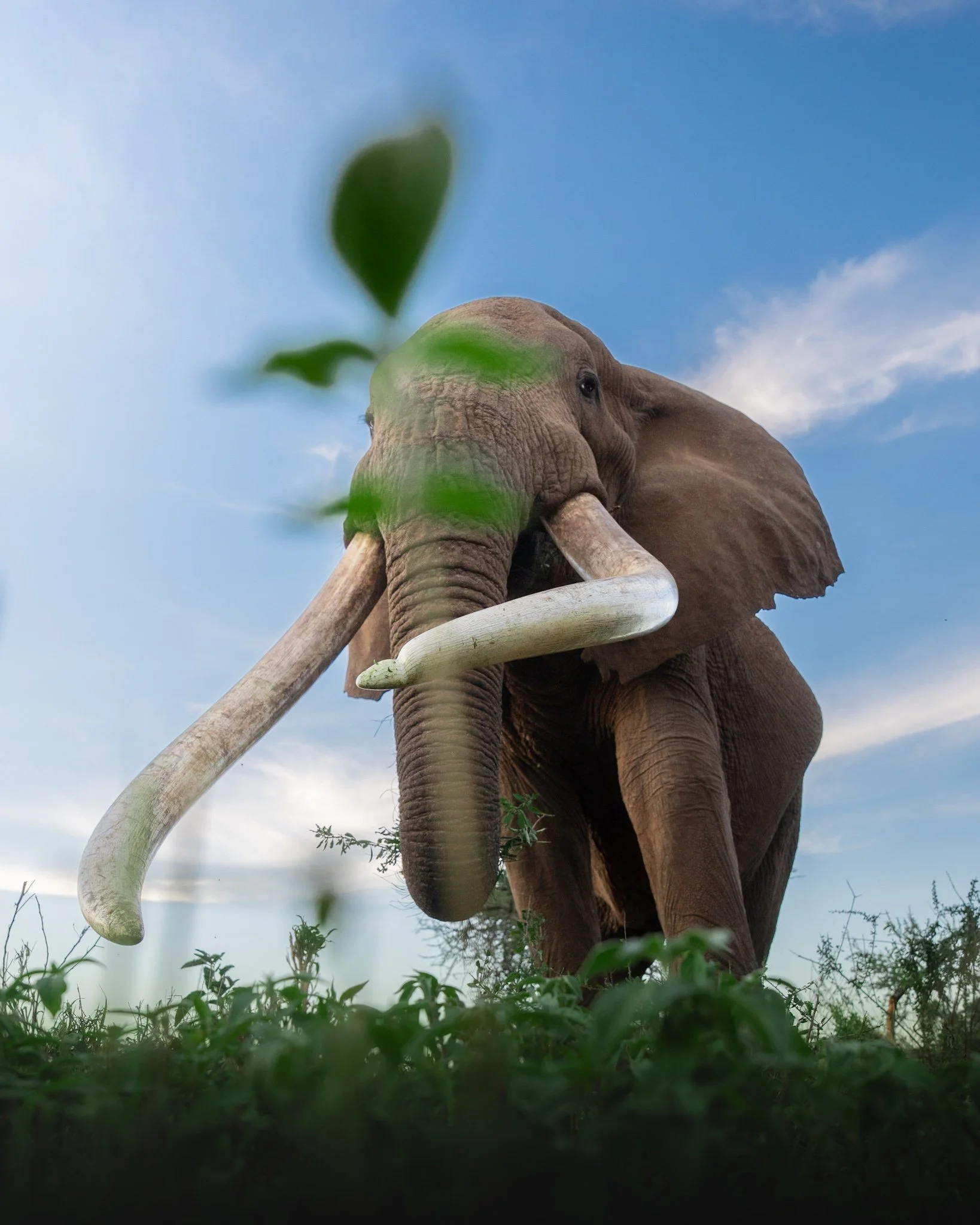
Completely different perspectives, not possible unless you consciously choose to see from that low.
You will notice that some eye level shots do cross over with low angle shots, primarily if the animal itself is quite small.
Let's break down why low angle shots are so impactful:
It's a perspective no one has
For some shots, it's like an ant's view.
Due to the effort and discomfort in trying to achieve this perspective, you're creating an entirely new perspective for the human eye. That animal is perceived is now differently.
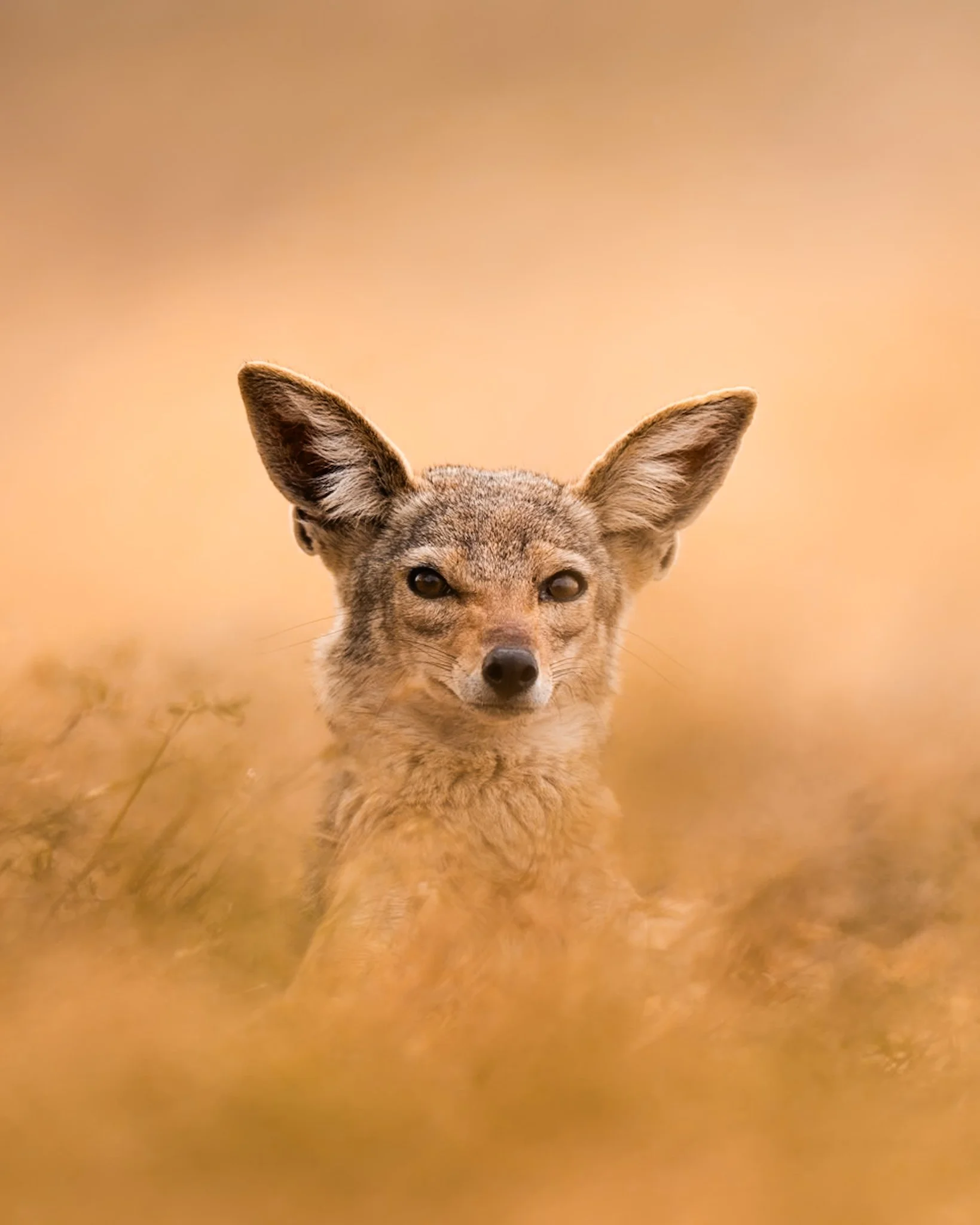
You're immersing yourself in its world
You're no longer observing it from afar; you're actually in its environment.
Up close and personal.
You and your viewer are immersed.
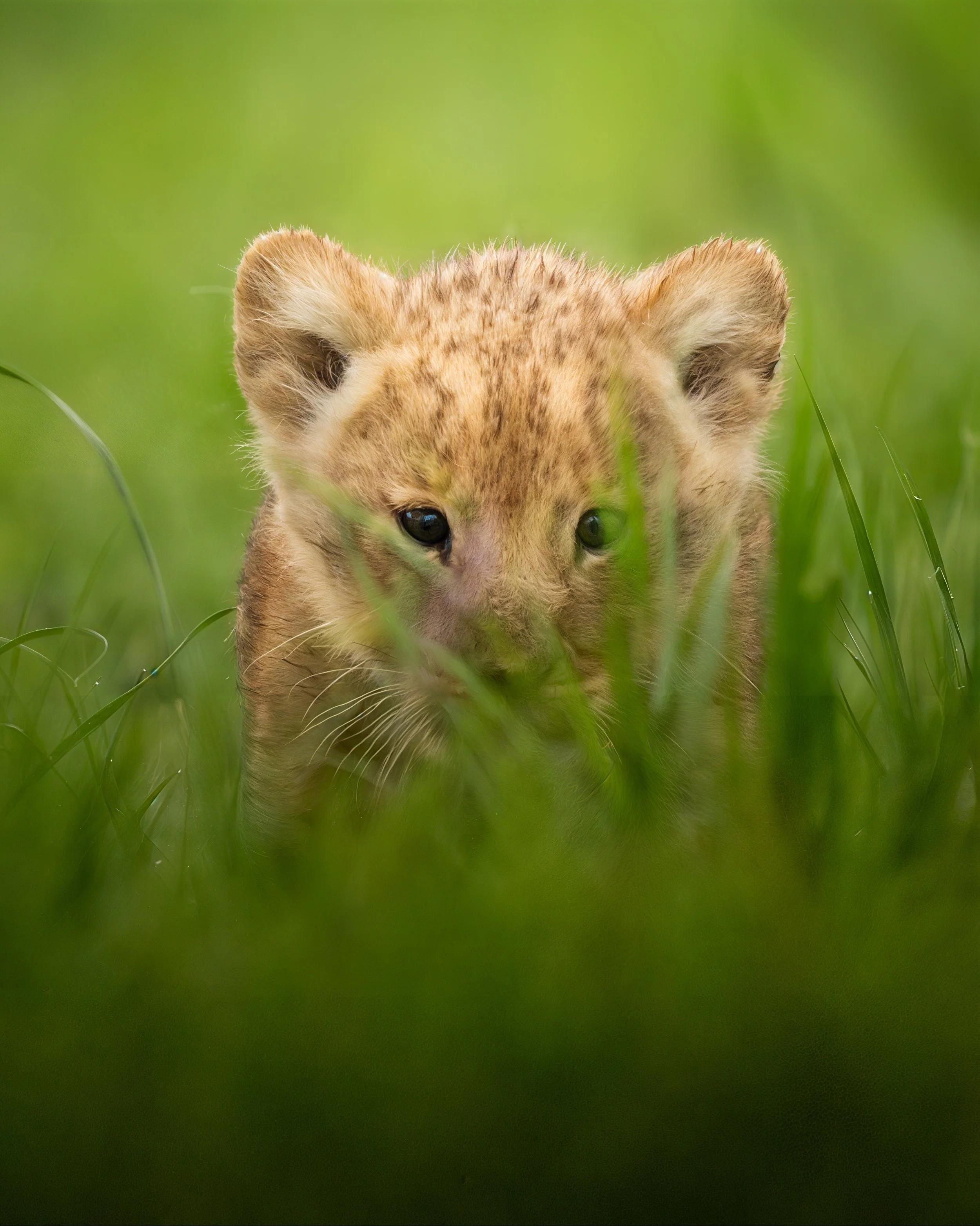
Foreground Depth
We normally talk about background. But I'd argue that the better way to show depth is by using foreground.
It's an underused principle to help strengthen your visual impact.
The thing with low angles, is that you might capture some of the grass in the foreground, and it can take up a bit of space on your subject.
This is good. It provides environmental context for your image.
In that angle, a blade of grass can also be used to communicate the scale of how big or small your animal is.
Many people remove branches and grass blades because they are 'distractions'.
While it's helpful sometimes, more often I'd see it as immersion.
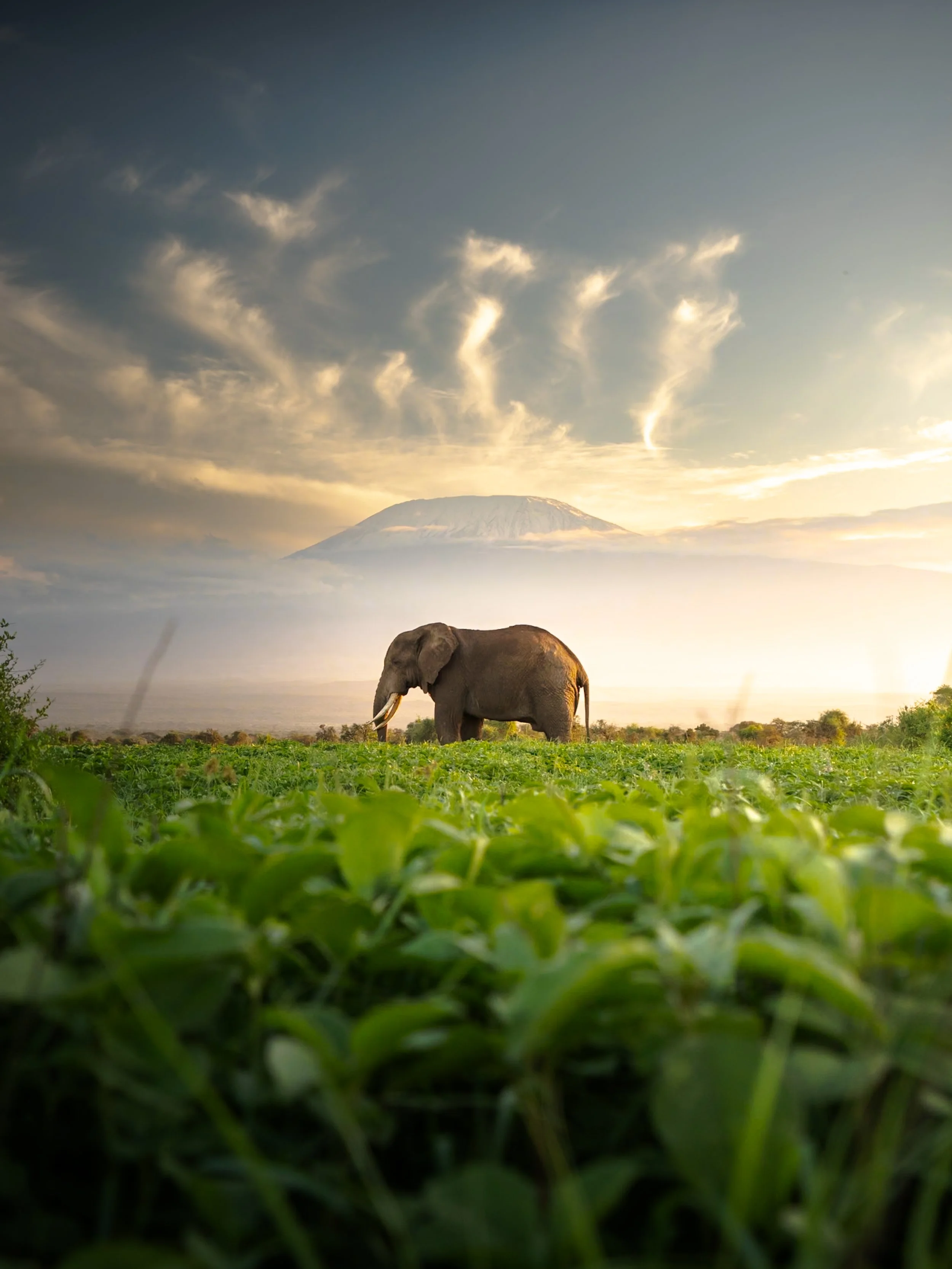
Dominance
This works best with huge animals.
Low angle shots give it straight up dominance.
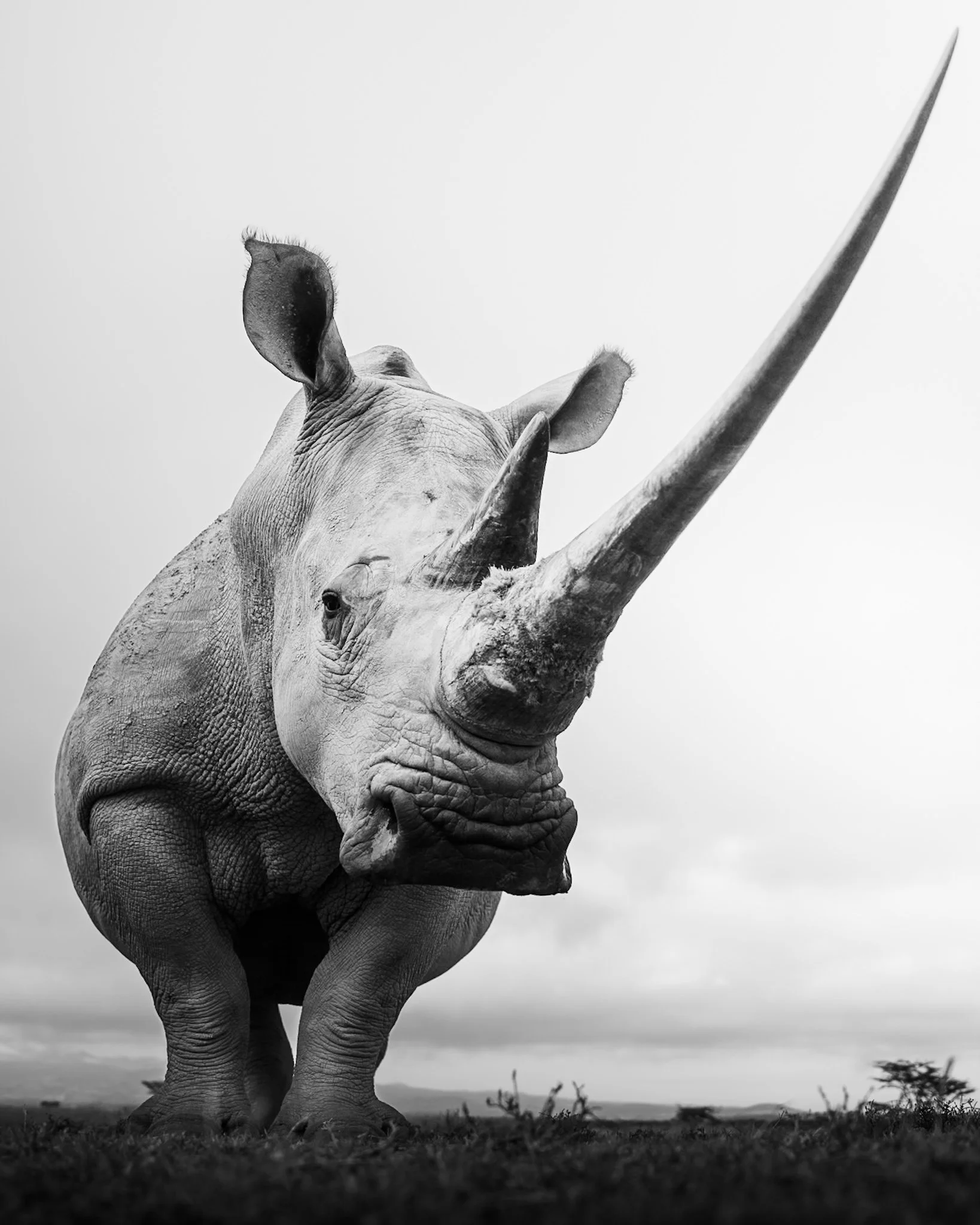
These images will make you feel like an ant.
Like you're showing utmost respect to the animal. Complete surrender.
Or you're communicating the immense power that this animal holds.
Strong imagery right here!
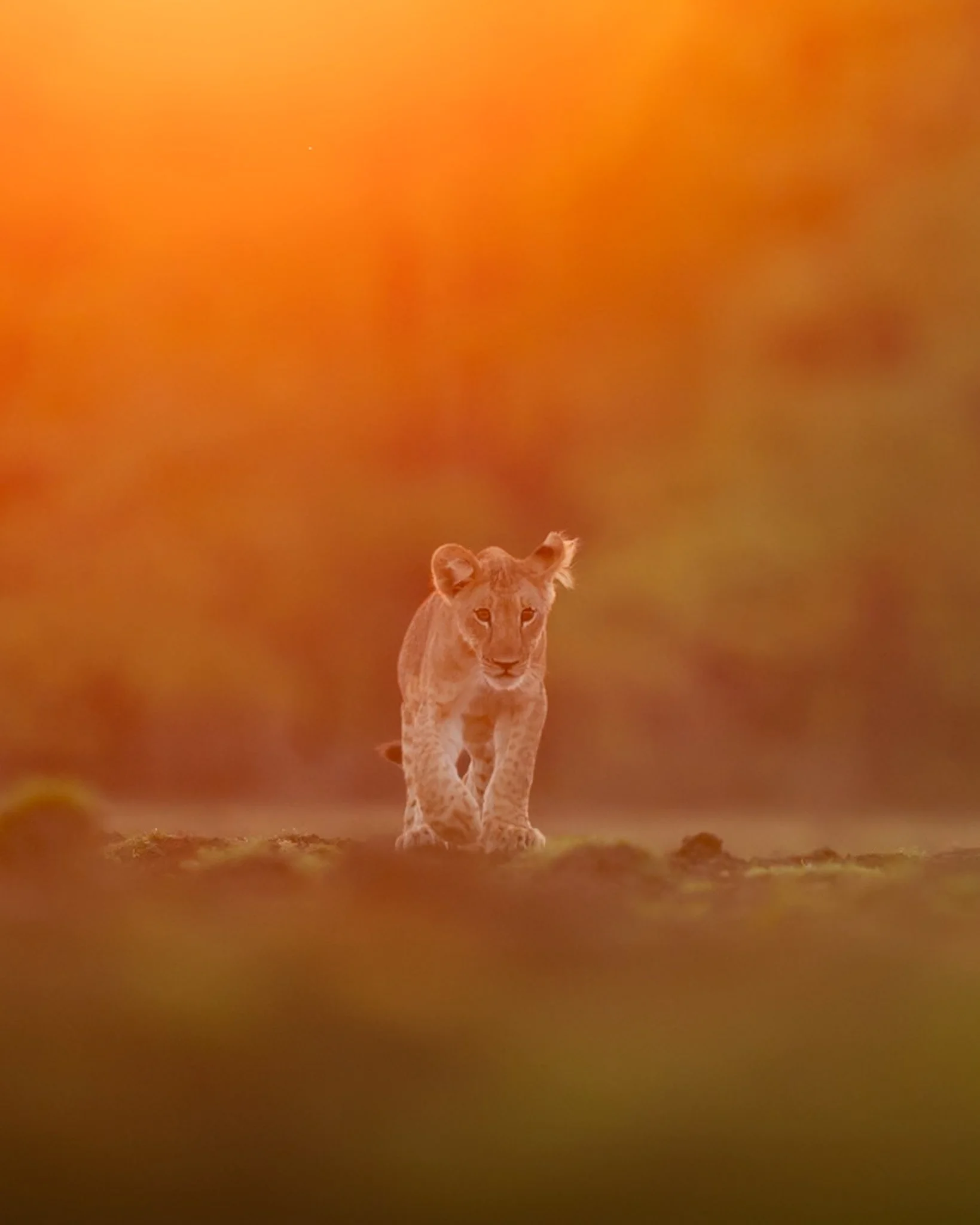
Background Separation
With very low-angle shots, it's possible that you fully lose the background, and instead, it becomes the sky.
This signals a very unique perspective again.
Or, when you're lucky, you get a shot where both the background and foreground are the same color, completely blurred out.
Unlocking Silhouettes
By shooting low, you will unlock a different perspective on shooting with light.
For example, if you shoot against the sunset/sunrise, you'll suddenly start noticing rim lights on furry animals.
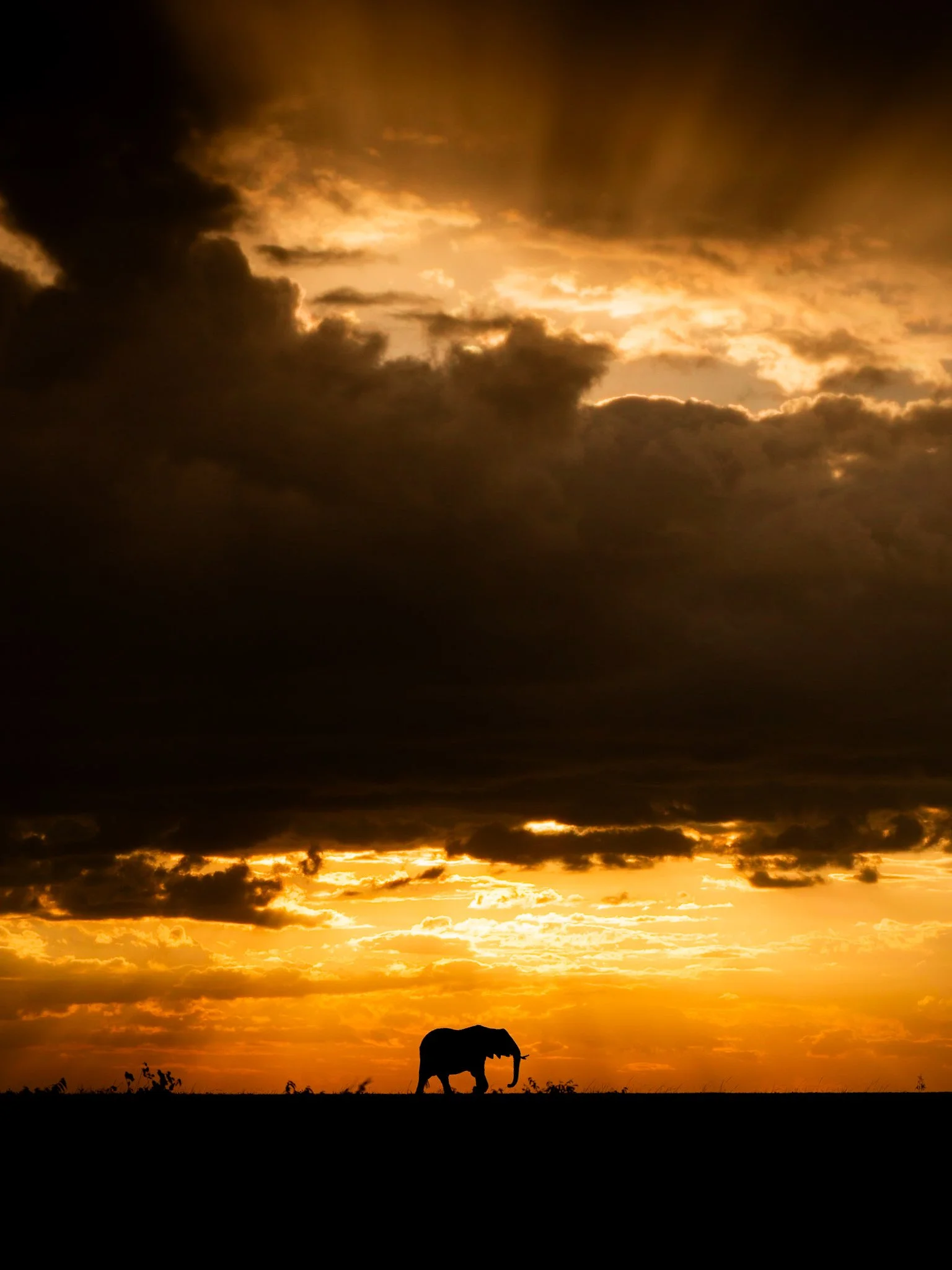
Another example, when you shoot low enough, you start separating your animal from the ground. That's what a clean silhouette on the horizon is.
Tips On How to Get Low Angle Shots
Get Low Physically:
If this isn't a typical African safari, I strongly recommend that you get on the ground itself.
Get dirty and a little uncomfortable.
Place your camera on a piece of cloth or a thin bean bag. Make sure it doesn't elevate your angle too much unless required.
Use A Monopod
If you're in a vehicle, you could use a monopod to lower your camera from your car seat. But make sure you ask your guide if its possible to do so! Some parks don't allow it.
You can remotely control your camera with either your dedicated phone app, or you can use a shutter release button. Just make sure the focusing is okay!
Plan The Right Trip
Too many times have I seen photographers with huge lenses, but they chose to go on safari vehicles that have glass windows. It might be a little cheaper, but the cost saving does NOT justify the image quality they're getting. Even those vehicles that have the 'high angle viewing'.
Get low vehicles with larger windows, or no windows at all. It should give you the flexibility to move yourself, and to get a bit lower if you hang out of the vehicle a little.
Don't Shoot From The Viewfinder
Yep, you weren't expecting this.
The viewfinder limits you to shooting from your own eye level.
So if you're not shooting lying down flat, you need to be shooting from your screen.
Invest in a camera that has a good tilt screen - where you can place your camera way below you, but still see the screen comfortably.
I understand that it's more satisfying to see the viewfinder, but the photo results won't be very satisfying, will they?
Shoot Low, Don't Stoop Low
Above everything, ethics is really important.
Many times we could get caught up with getting the right shot (because this really is addictive), that we forget about respecting the animals in the first place.
You need to ask your guide what you can do and what you can't do.
Some shots require special permissions, access, etc.
Don't try to replicate an image without getting the full context first.
Closing
If reading this has made you want to experience low-angle photography in the field, I have two ways we can work together.
Photo Tours: Join us in an expert guided photography safari, built entirely to maximising the best photo opportunities, while learning on the field with immediate feedback and guidance. We’re doing tours in over 5 countries now!
Private 1 on 1 Coaching: If you want to improve your photography but travel isn't on the cards right now, I run a private 4 week virtual coaching program built entirely around you. Portfolio audit, weekly Zoom calls, live editing sessions, and a personal roadmap. All levels welcome. 3 spots at a time.
If you're interested reply to this or message me on Instagram.